


Can a Cracked Tooth Wait? Understanding Urgent Dental Problems
September 1, 2026Can a Cracked Tooth Wait? It depends on the type of fracture and how deeply it extends into the tooth. A fine enamel crack may remain stable, while a deeper fracture can worsen with everyday chewing. Since teeth cannot repair themselves after cracking, delaying care may increase the risk of pain, infection, or tooth loss. Understanding the early signs can help you decide when prompt professional care is the safest option.
Read More
Dental problems often happen when you least expect them, leaving you uncertain about whether immediate care is necessary. But what counts as a dental emergency? Not every dental problem requires immediate treatment, yet some conditions should never be ignored. Acting quickly when serious dental symptoms appear can help control pain, reduce the risk of infection, and help protect your natural tooth.
Read More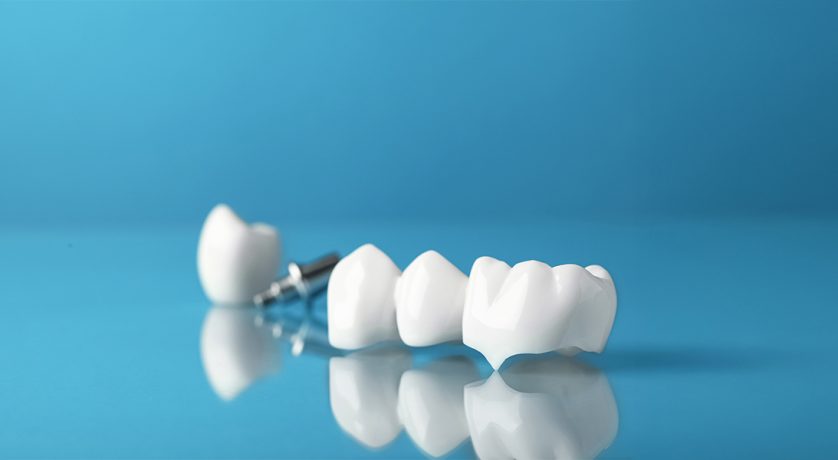
What Foods Should You Avoid with a Dental Crown?
July 1, 2026After a crown is placed, many patients ask about daily food choices. When considering What Foods Should You Avoid with a Dental Crown?, it is important to understand that the crown protects the tooth but still depends on proper care. The natural tooth underneath and the surrounding gum can still be affected by pressure, bacteria, and irritation.
Read More
A broken tooth emergency can happen suddenly, whether from biting something hard, a fall, or an unexpected accident. Acting quickly improves the chances of protecting your tooth while reducing discomfort. Many people are unsure about the first steps to take after the injury, especially when pain or sensitivity begins immediately. Responding early helps prevent further damage and increases the likelihood of saving the tooth.
Read More