

Are Dental Implants Safe for Older Adults?
February 1, 2026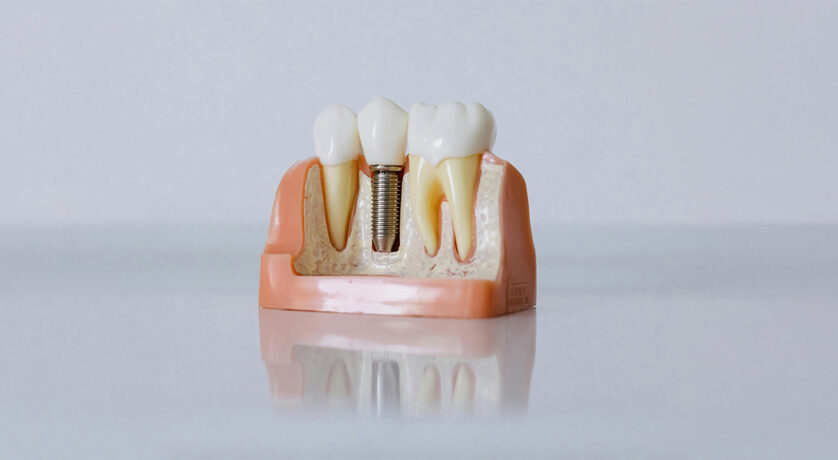
The good news is that age alone does not determine whether dental implants are safe. Instead, overall health, bone quality, and oral condition play a much larger role in treatment success.
Understanding Dental Implants and How They Work
Dental implants are artificial tooth roots, typically made up of biocompatible titanium, that are placed into the jawbone. Once healed, they support crowns, bridges, or dentures that look and function like natural teeth.
Unlike removable options, implants are fixed in place and help preserve jawbone structure. This stability makes them appealing to many older adults who want reliable tooth replacement without daily adhesives or movement concerns.
Does Age Affect Dental Implant Safety?
Age itself is not a limiting factor for dental implant treatment. Many older adults successfully receive implants well into their 70s and 80s. What matters most is how well the body can heal and support the implant.
Factors that influence safety include:
- Bone density and volume
- Gum health
- Overall medical condition
- Lifestyle habits such as smoking
A thorough evaluation helps determine whether implants are appropriate, regardless of age.
Health Conditions Older Adults Should Consider
Certain medical conditions are more common with age and may affect implant planning. These do not automatically rule out implants, but they may require additional coordination or preparation.
Common considerations include:
- Diabetes
- Osteoporosis
- Heart conditions
- Autoimmune disorders
When these conditions are well-managed, implant treatment can often proceed safely with careful monitoring.
Bone Health and Dental Implants in Seniors
Jawbone health is a key factor in implant success. Bone loss can take place after tooth loss, especially if teeth have been missing for many years. Older adults may have reduced bone density, but this does not always prevent implant placement.
In a few cases, bone grafting may be recommended to improve support. Advances in dental technology have expanded implant options for patients who were once considered poor candidates.
Patients exploring dental implants in North Dallas, TX, often benefit from imaging and treatment planning that evaluates bone structure in detail before proceeding.
Healing and Recovery in Older Adults
Healing times can vary from person to person. While some older adults may heal more slowly than younger patients, many still experience successful outcomes.
Factors that support healthy healing include:
- Good nutrition
- Proper oral hygiene
- Following post-treatment instructions
- Attending follow-up visits
Careful planning and realistic expectations help ensure a smooth recovery process.
Benefits of Dental Implants for Older Adults
Dental implants offer several benefits that are especially valuable for seniors. Unlike traditional dentures, implants help maintain bone structure and facial support, which can affect appearance and comfort.
Key benefits include:
- Improved chewing ability
- Enhanced speech clarity
- Increased comfort and stability
- Reduced reliance on removable appliances
These advantages can considerably improve the quality of life and confidence.
When Dental Implants May Not Be Recommended
Although implants are safe for many older adults, they may not be suitable in every situation. Uncontrolled medical conditions, poor oral hygiene, or insufficient bone without corrective options may delay or prevent treatment.
A consultation with a dentist near me helps determine whether implants are appropriate or if alternative solutions would be more suitable.
The Importance of a Personalized Evaluation
Every patient’s situation is unique. Dentists consider medical history, oral health, and personal goals before recommending implants. This individualized approach helps ensure safety and long-term success.
Older adults should feel comfortable asking questions, discussing concerns, and exploring all available options during the evaluation process.
Alternatives to Dental Implants
When implants are not ideal, other tooth replacement options may be recommended. These include bridges or dentures designed to restore function and appearance.
While alternatives may not provide the same stability as implants, they can still support oral health when selected appropriately.
Conclusion: Age Should Not Be the Deciding Factor
Dental implants are considered a really safe and effective option for many older adults. The decision should be based on overall health and oral condition rather than age alone. With proper evaluation and planning, seniors can benefit from implants that restore comfort, function, and confidence.
If you are considering implants later in life, consulting a dental professional can help clarify whether this treatment aligns well with your health needs and long-term goals.